
Navigating the Complexities of Nationwide Pickup for Returns and Overstocks
Understanding the Need for Nationwide Pickup Services
In today's fast-paced retail environment, managing returns and overstocks efficiently is crucial for maintaining customer satisfaction and operational productivity. Nationwide pickup services play a key role in streamlining these processes. Businesses can handle large volumes of returns and overstocks without overwhelming their logistics systems, ensuring a seamless experience for both the company and its customers.

Challenges in Managing Returns and Overstocks
One of the primary challenges in managing returns and overstocks is the sheer volume and variety of products. With the rise of e-commerce, the rate of returns has increased significantly, often leading to logistical nightmares. Additionally, overstocks can tie up valuable warehouse space, impacting a company's bottom line. Addressing these issues requires strategic planning and the right partnerships.
Another challenge is the geographic spread of returns. Businesses operating on a national scale must deal with returns from diverse locations, each with its own logistical constraints. Ensuring timely pickups and efficient processing across various regions can be a daunting task without the right infrastructure.
Benefits of a Nationwide Pickup Strategy
Implementing a nationwide pickup strategy offers numerous benefits. Firstly, it allows for the consolidation of returns and overstocks, reducing transportation costs and environmental impact. Companies can optimize routes and reduce the number of trips needed to collect items from multiple locations.

Secondly, a well-executed pickup strategy enhances customer satisfaction. By providing a hassle-free returns process, businesses can improve their reputation and foster customer loyalty. Customers appreciate the convenience and are more likely to return for future purchases.
Key Considerations for Implementation
When implementing a nationwide pickup service, there are several key factors to consider. Businesses must evaluate potential logistics partners, ensuring they have the capability and infrastructure to handle large-scale operations. It's also essential to integrate these services with existing systems for seamless data flow and tracking.
- Evaluate logistics partners thoroughly.
- Ensure seamless system integration.
- Consider environmental impact reduction.
Additionally, companies should focus on technology that supports efficient operations. Real-time tracking, automated notifications, and data analytics can all contribute to a more streamlined process.
Leveraging Technology for Efficiency
Technology plays a pivotal role in managing nationwide pickups effectively. By leveraging advancements such as AI and machine learning, businesses can predict return patterns and optimize their logistics strategies accordingly. Automated systems can handle customer queries, schedule pickups, and manage inventory levels, reducing the burden on human resources.
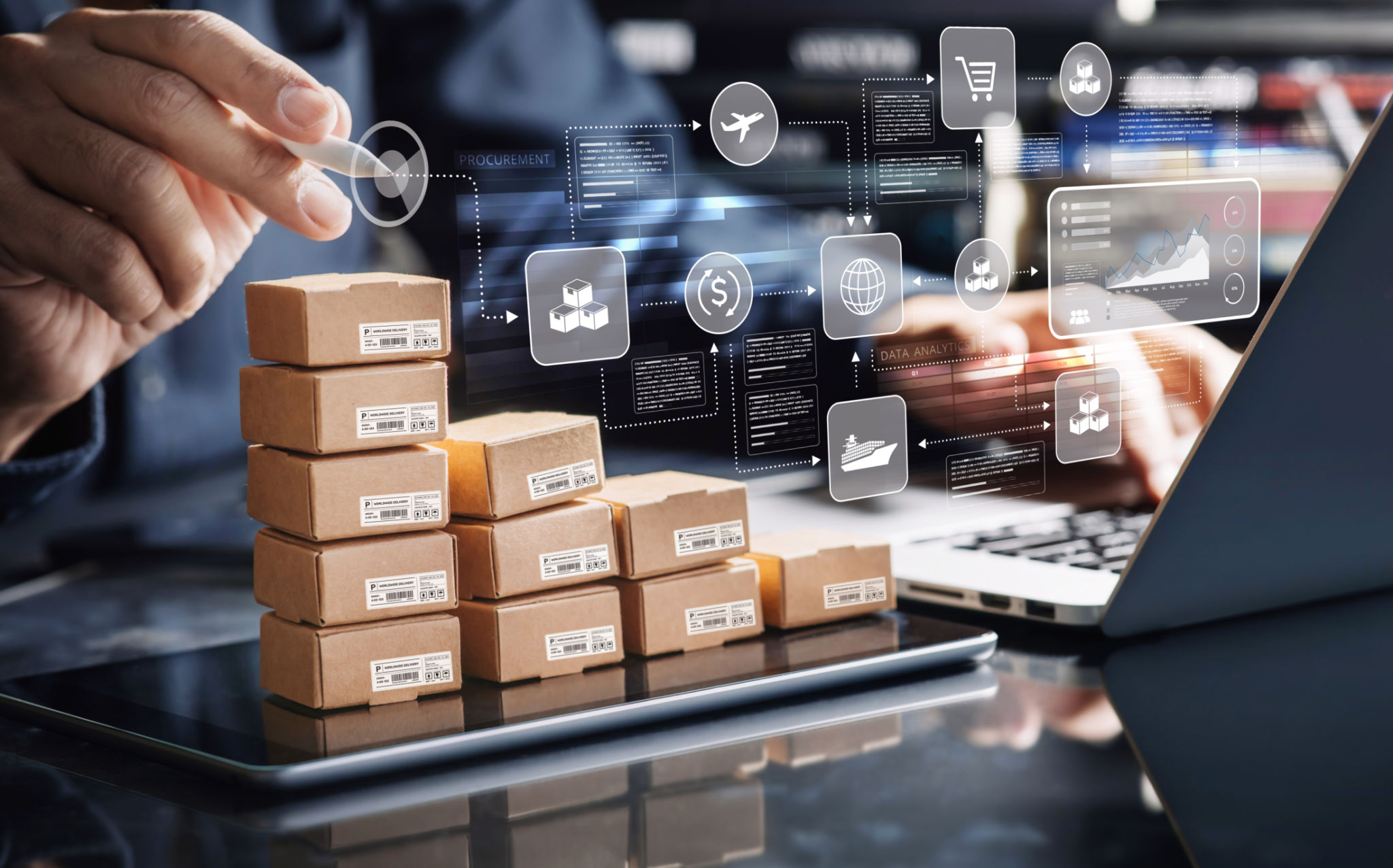
Moreover, integrating technology with logistics allows for better communication and coordination among different stakeholders, ensuring everyone is on the same page and operations run smoothly.
Future Trends in Nationwide Pickup Services
Looking ahead, the future of nationwide pickup services is likely to be shaped by continued technological innovation. The rise of smart logistics solutions, such as drones and autonomous vehicles, could revolutionize how returns and overstocks are managed.
- Smart logistics solutions.
- Drones and autonomous vehicles.
- Enhanced data analytics capabilities.
As these technologies become more accessible, businesses will have new opportunities to enhance efficiency and reduce costs. Staying ahead of these trends will be crucial for companies looking to maintain a competitive edge in the retail landscape.