
The Complete Guide to Reverse Logistics: Turning Returns into Revenue
In today's fast-paced business environment, efficient reverse logistics is becoming an essential component of supply chain management. As more consumers engage in online shopping, the volume of product returns has increased, making reverse logistics a priority for businesses looking to maintain profitability and customer satisfaction. This guide explores how companies can transform their return processes into revenue-generating opportunities.
Understanding Reverse Logistics
Reverse logistics involves moving goods from their final destination back to the retailer or manufacturer for returns, refurbishing, or recycling. Unlike forward logistics, which focuses on getting products to customers, reverse logistics deals with customer returns, defective items, and unsold inventory. It plays a vital role in minimizing waste, reducing costs, and improving sustainability.
The Importance of Reverse Logistics
Effective reverse logistics can significantly impact a company's bottom line. By streamlining return processes, businesses can improve their customer service, reduce waste, and recover value from returned goods. Additionally, a well-managed reverse logistics system can enhance customer loyalty by providing a smooth and hassle-free return experience.

Key Components of Reverse Logistics
Successful reverse logistics involves several critical components:
- Return Policy: A clear and customer-friendly return policy is crucial for managing expectations and ensuring a smooth process.
- Processing Returns: Efficient systems for handling returns quickly and accurately can reduce costs and improve customer satisfaction.
- Inventory Management: Proper tracking and management of returned items can help in restocking or redistributing products.
Implementing Reverse Logistics Strategies
To turn reverse logistics into a revenue stream, companies need to implement strategic practices such as:
- Refurbishing and Reselling: Repairing and reselling returned items can generate additional revenue while reducing waste.
- Recycling: Proper recycling of unsellable items can recover valuable materials and contribute to sustainability efforts.
- Data Analysis: Utilizing data from returns can provide insights into product performance and customer preferences, aiding in future product development.

Challenges in Reverse Logistics
Despite its benefits, reverse logistics presents several challenges. Handling returns can be costly and complex, requiring robust systems and processes. Companies must invest in technology and training to manage these tasks efficiently. Additionally, maintaining clear communication with customers throughout the return process is essential to prevent dissatisfaction.
Leveraging Technology
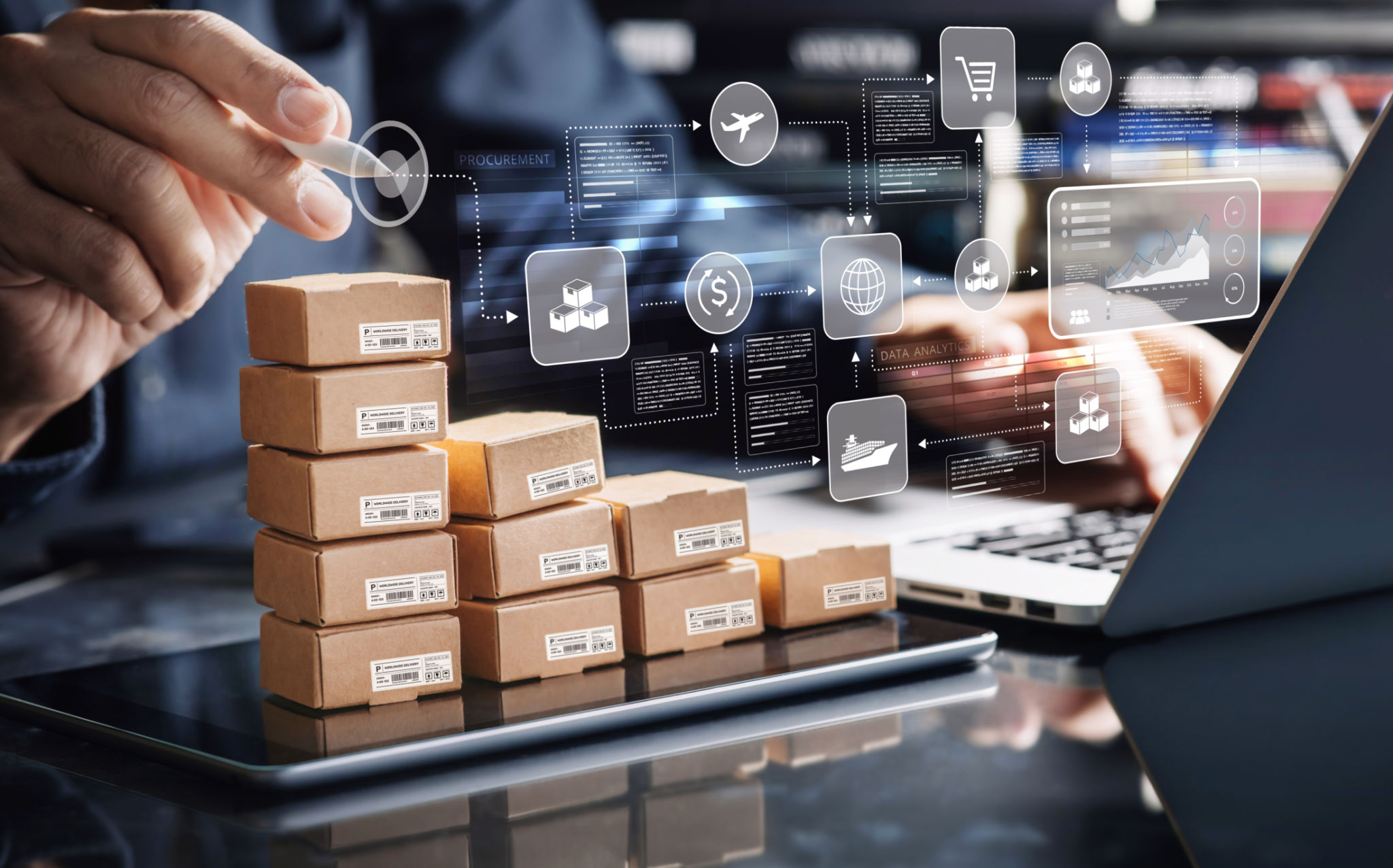
Technology plays a crucial role in optimizing reverse logistics. Advanced software solutions can automate return processing, track shipments, and provide real-time data analysis. These tools help businesses reduce errors, speed up processing times, and improve overall efficiency.
Conclusion
Incorporating reverse logistics into your business strategy can transform returns from a cost center into a profitable aspect of your operation. By focusing on efficient processes, leveraging technology, and prioritizing customer satisfaction, companies can turn returns into a competitive advantage. As the business landscape continues to evolve, mastering reverse logistics will become increasingly vital for success.