
Top Trends in Reverse Logistics for Consumer Goods
Understanding Reverse Logistics
Reverse logistics is a crucial aspect of the supply chain, particularly in the consumer goods sector. It involves the process of moving goods from their final destination back to the manufacturer or distributor for returns, repairs, recycling, or disposal. This process not only helps companies recover value from returned products but also enhances customer satisfaction.
The Rise of Circular Economy
One of the most significant trends in reverse logistics is the shift towards a circular economy. This model focuses on minimizing waste and making the most of resources. Companies are increasingly designing products with a lifecycle approach, allowing for easier recycling and reuse. This trend is driven by both environmental concerns and consumer demand for sustainable products.
In a circular economy, reverse logistics plays a vital role in ensuring that products are returned, refurbished, and reintroduced into the market. This approach not only reduces waste but also lowers production costs and conserves natural resources.
Technological Advancements
Technology is reshaping reverse logistics by enhancing efficiency and transparency. Advanced tracking systems, such as RFID and IoT, enable companies to monitor products throughout the reverse supply chain. This visibility helps businesses optimize routes, reduce transit times, and improve inventory management.
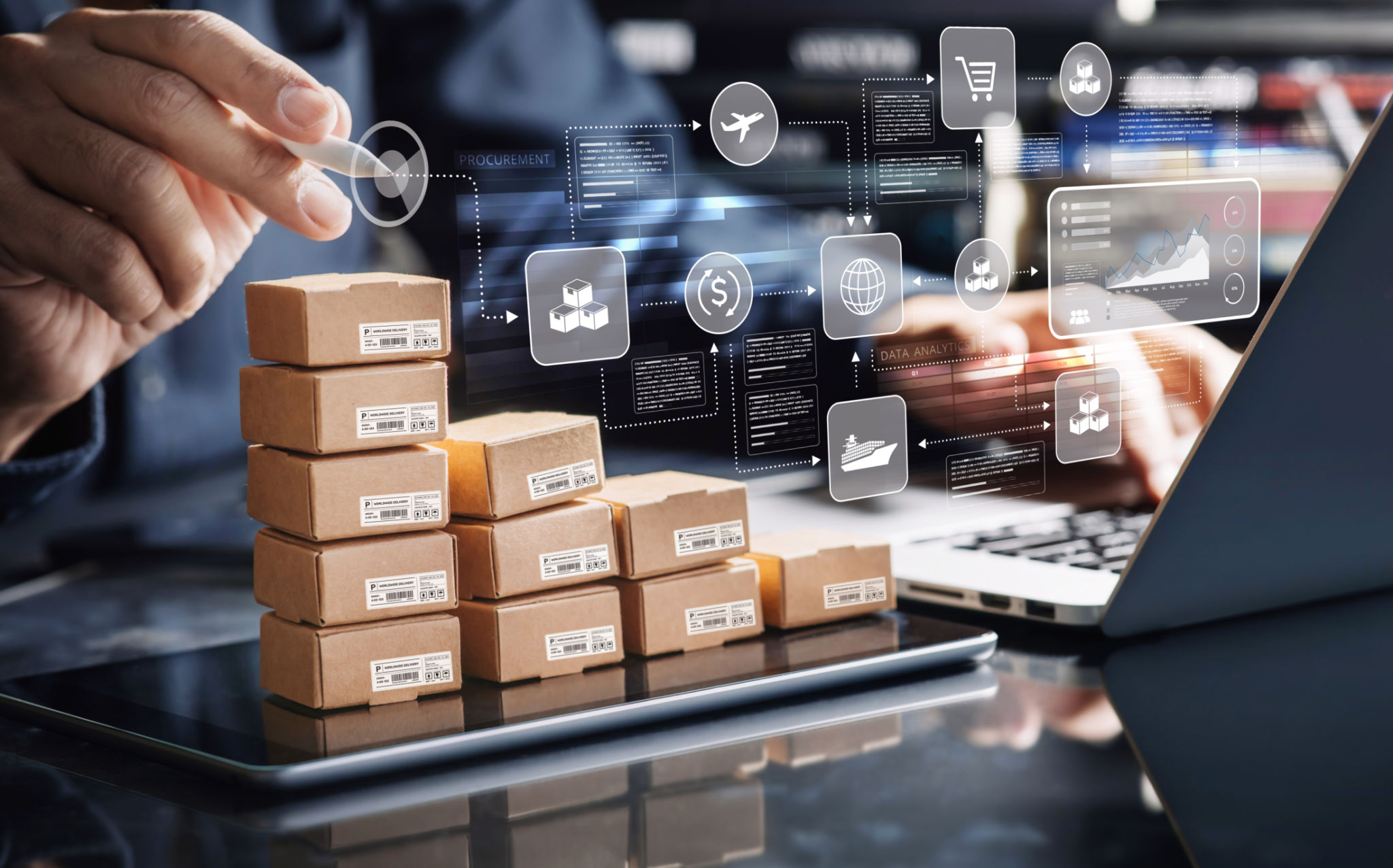
Moreover, data analytics tools are being used to predict return patterns and manage inventory more effectively. These technologies allow companies to proactively address issues and streamline the reverse logistics process.
Improved Customer Experience
Another trend in reverse logistics is the focus on improving the customer experience. Companies are simplifying return processes by offering free shipping, easy-to-print labels, and extended return windows. This customer-centric approach not only boosts brand loyalty but also encourages consumers to shop with confidence.
Providing a seamless return experience can differentiate a brand from its competitors, making it an essential strategy for businesses looking to enhance their market position.

Environmental and Regulatory Pressures
Environmental regulations and consumer awareness are putting pressure on companies to adopt sustainable reverse logistics practices. Governments are implementing stricter regulations on electronic waste and packaging, pushing businesses to develop eco-friendly return solutions. As a result, many companies are investing in green logistics strategies to comply with these regulations.
By adopting sustainable practices, companies can not only meet regulatory requirements but also appeal to environmentally conscious consumers, ultimately driving brand loyalty and sales.
Outsourcing Reverse Logistics
Outsourcing reverse logistics to third-party providers is becoming increasingly popular. These providers specialize in managing returns, repairs, and recycling, allowing companies to focus on their core business activities. By leveraging the expertise of third-party providers, companies can reduce costs, improve efficiency, and enhance customer satisfaction.

Outsourcing also allows businesses to scale their operations quickly and effectively, making it an attractive option for companies looking to expand their reverse logistics capabilities.
Conclusion
The landscape of reverse logistics for consumer goods is evolving rapidly, driven by trends such as the circular economy, technological advancements, and a focus on customer experience. Companies that embrace these trends and adapt their strategies accordingly will be well-positioned to succeed in a competitive market. By staying ahead of the curve, businesses can not only improve their bottom line but also contribute to a more sustainable future.